Support Your Knees with PRP Knee Treatment
A minimally invasive treatment using your own platelet-rich plasma to support knee healing and help manage pain associated with osteoarthritis.
Knee Pain Making Every Step Hard?
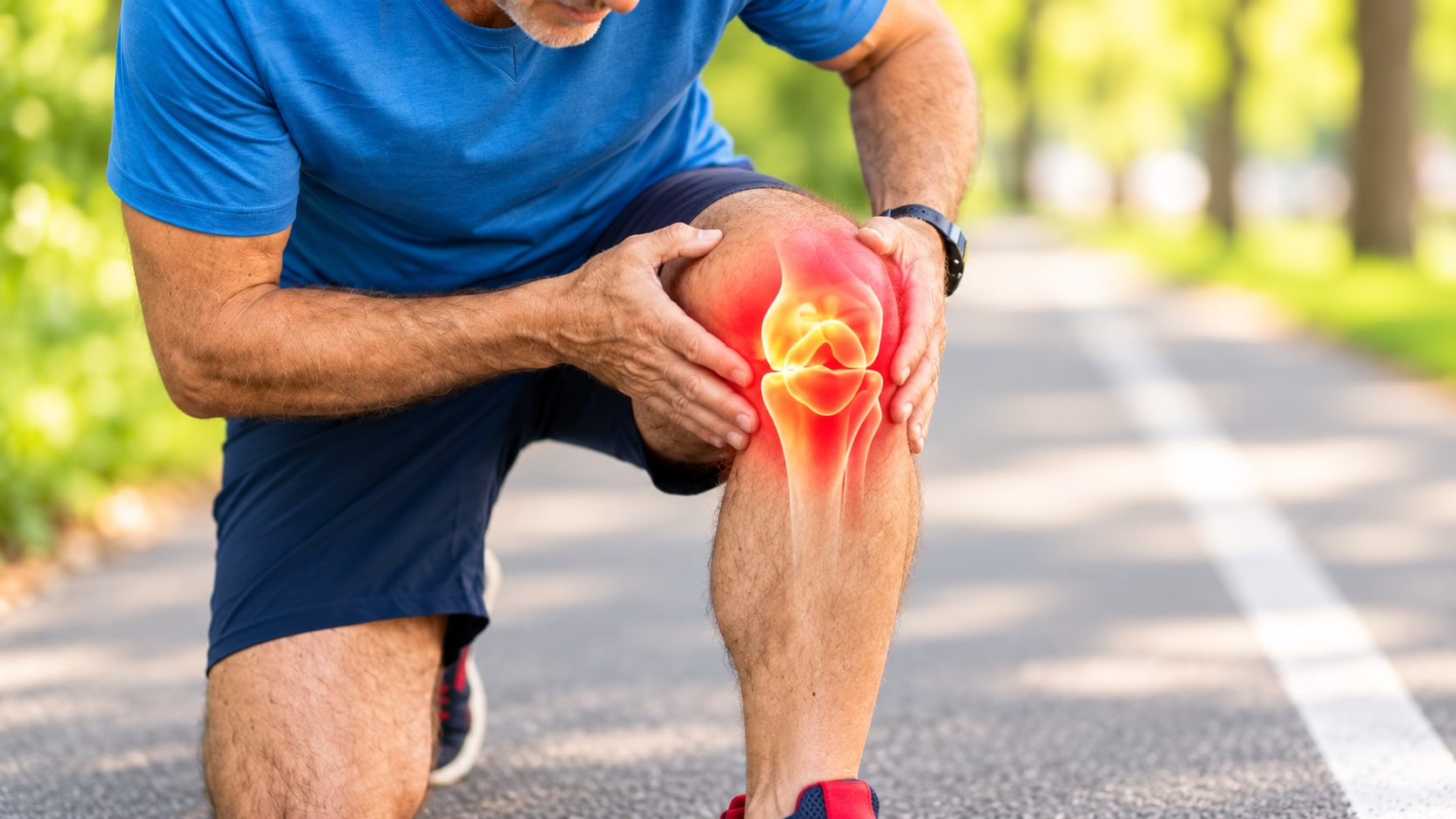
How PRP Knee Treatment Supports Your Knees
PRP (Platelet-Rich Plasma) uses a small sample of your own blood. The platelets and plasma are concentrated and then administered to the affected knee to support the body’s natural healing process and help manage knee pain and discomfort.
How PRP Knee Treatment Works
A simple 4-step process to support your knee’s natural recovery.
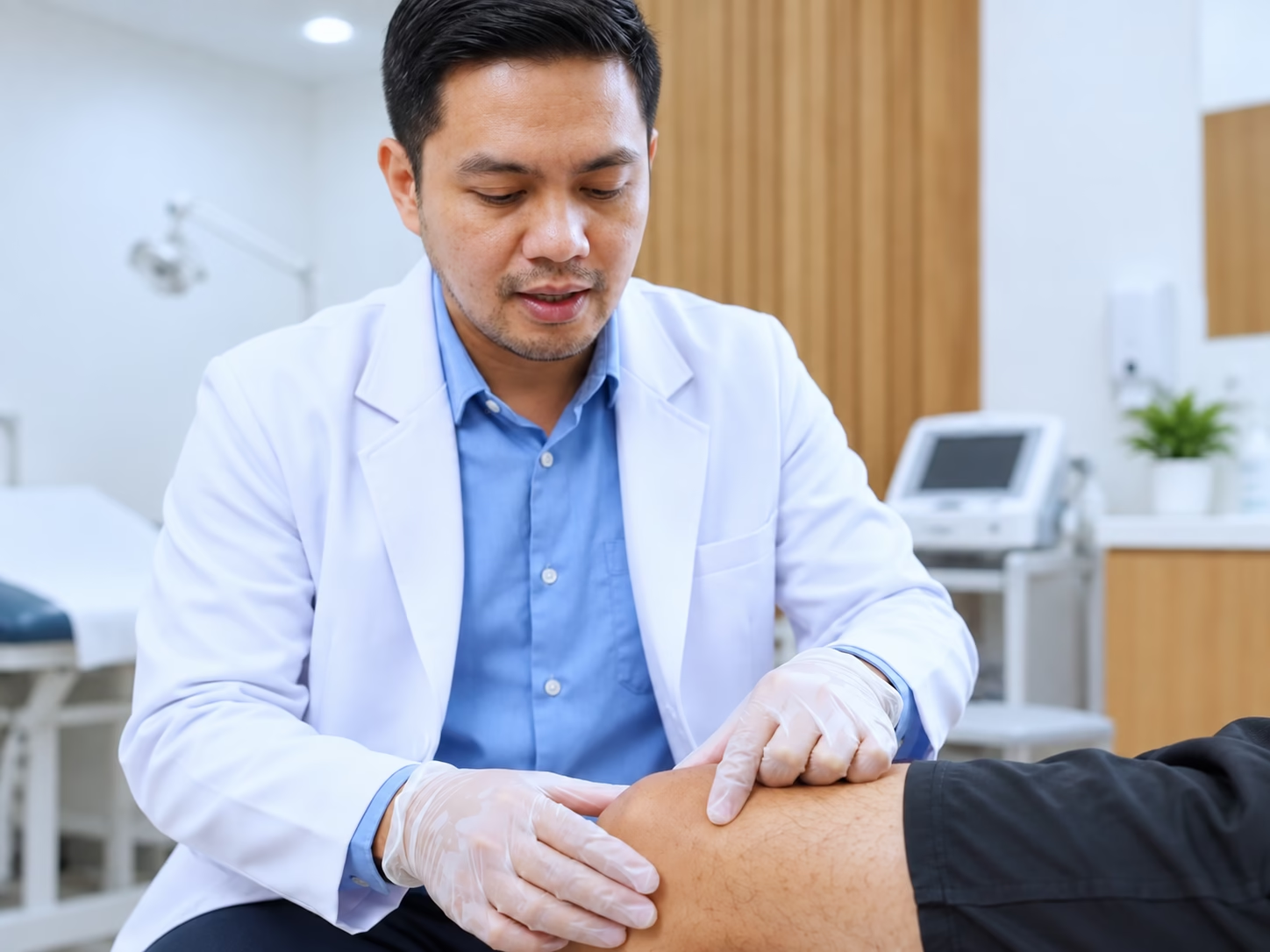
Blood Draw
A small sample of your blood is collected.
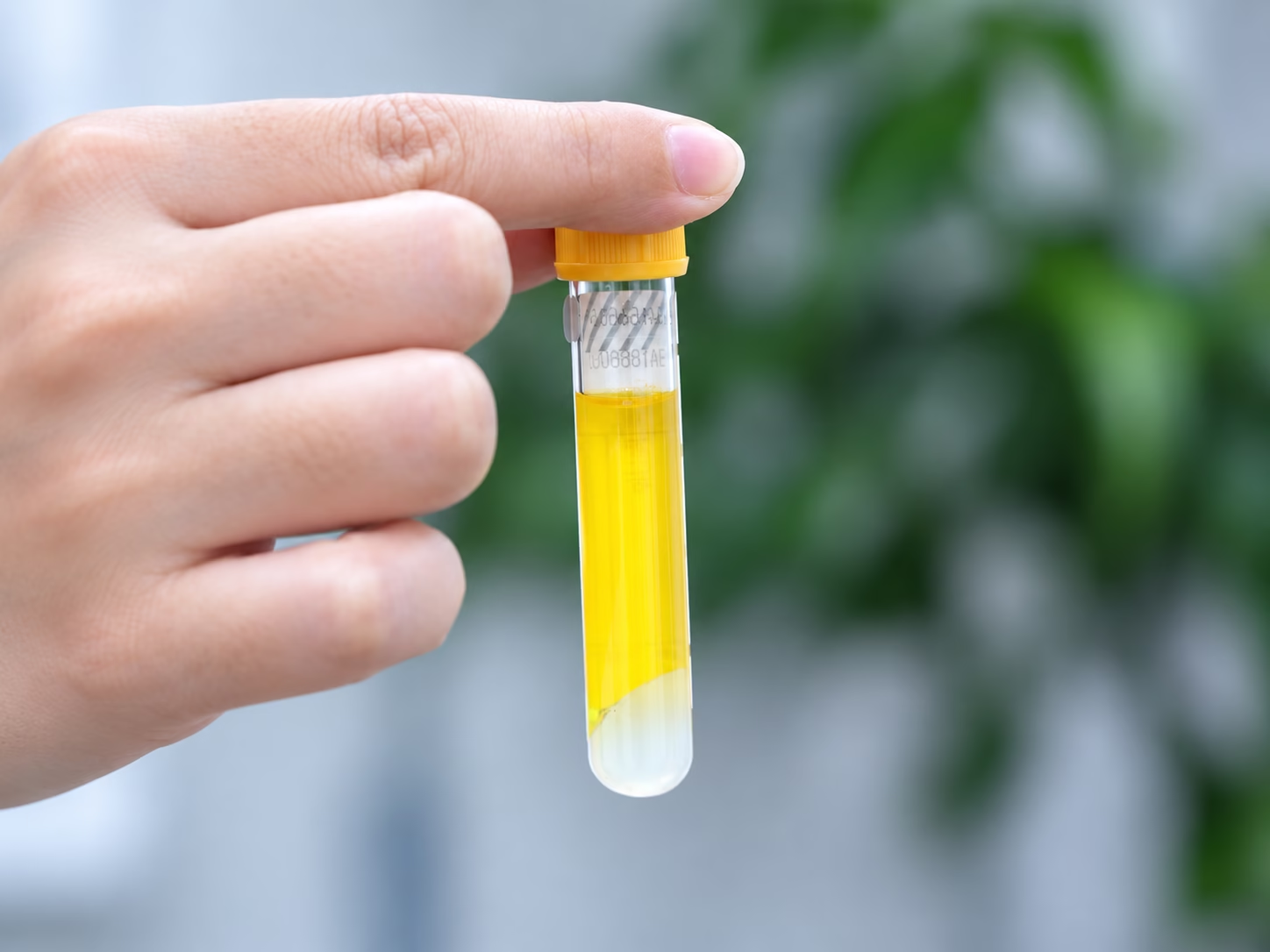
PRP Preparation
The blood is processed to concentrate the platelets and plasma.
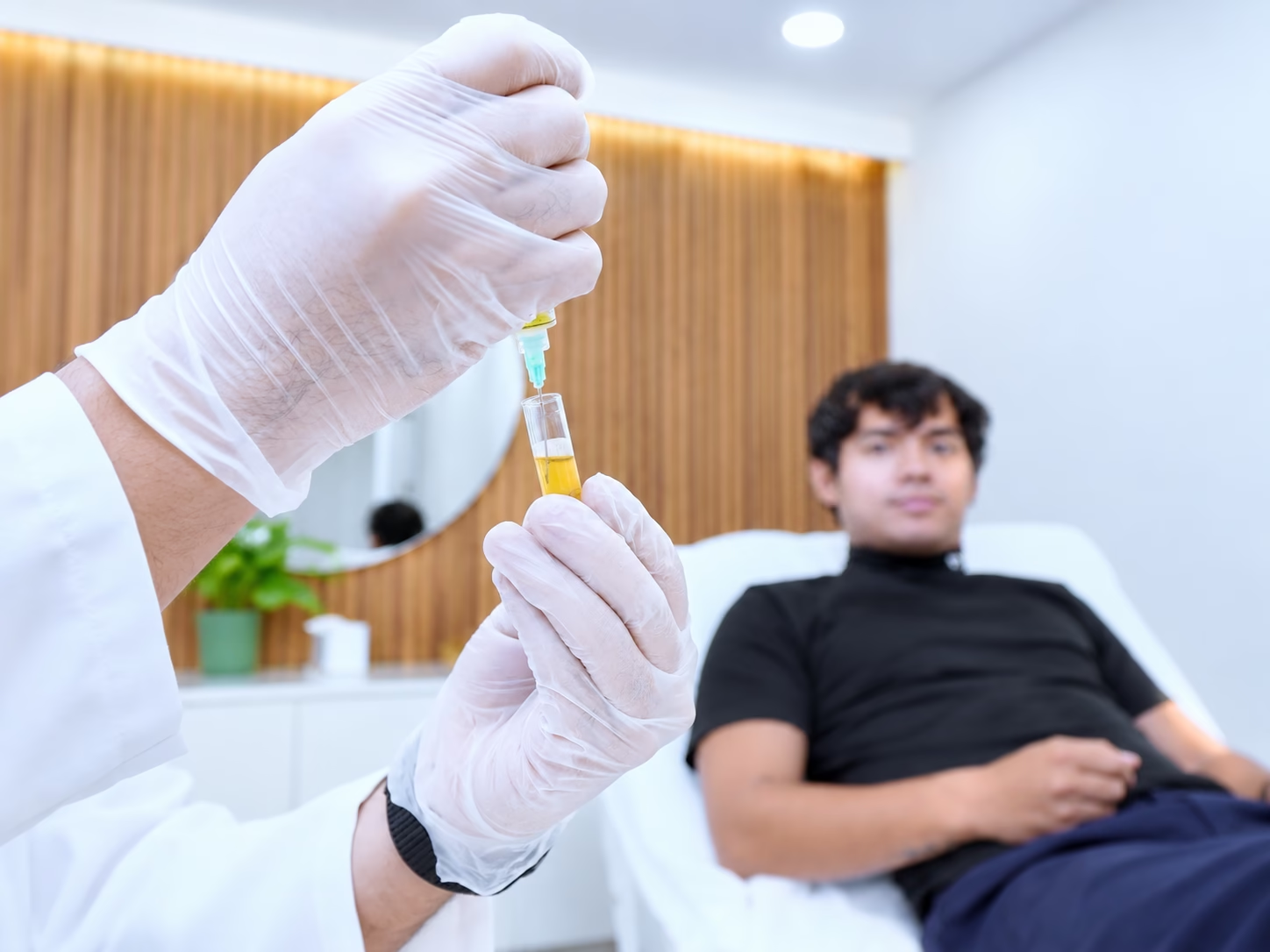
PRP Injection
The prepared PRP is carefully administered into the affected knee area.
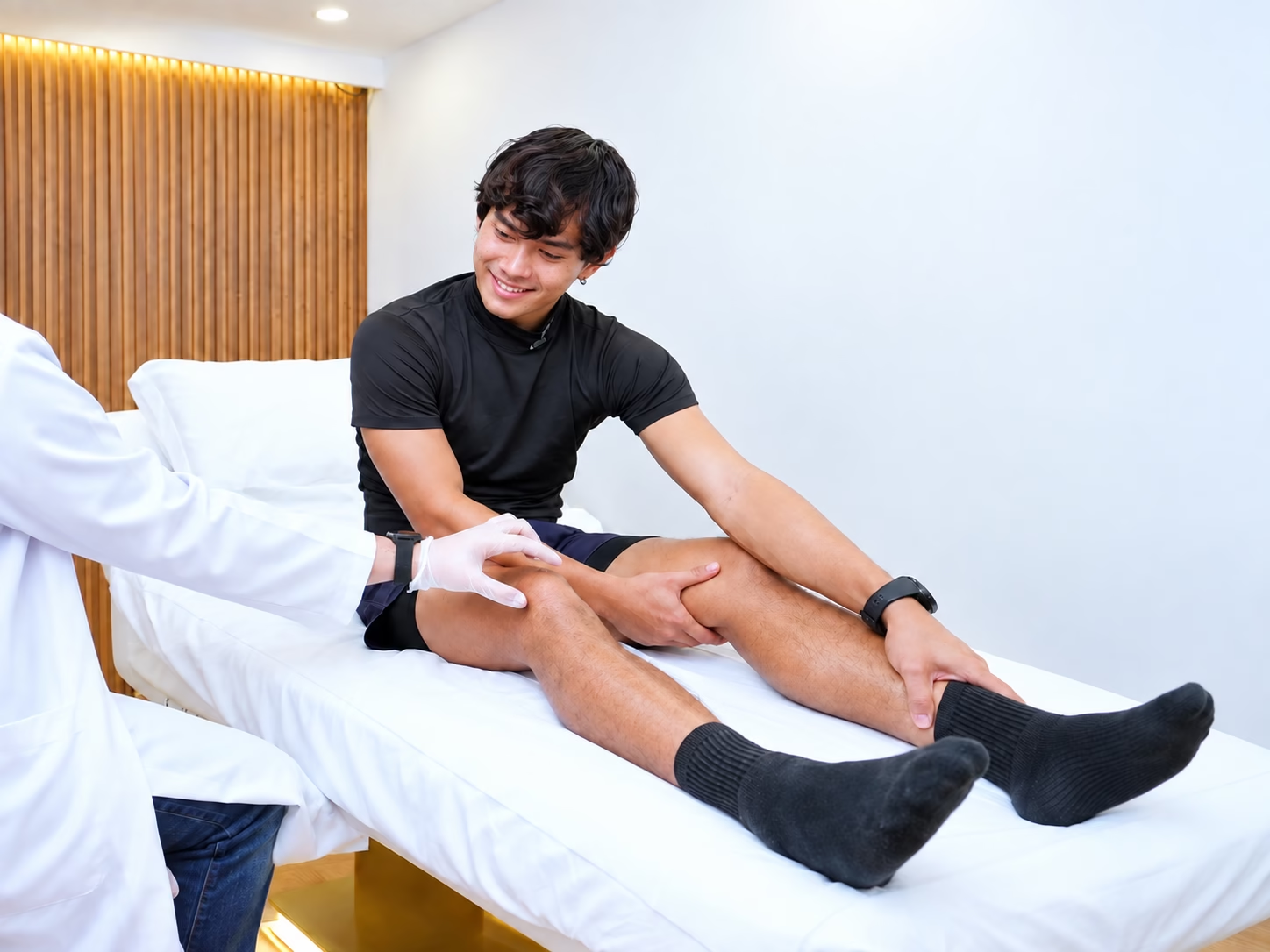
Recovery Support
The concentrated platelets may help support the body’s natural healing process.
Why Consider PRP Knee Treatment?
A simple three-step process that harnesses your body’s own repair system.
Uses Your Own Blood
PRP is prepared from your own blood, offering a personalized treatment approach.
Supports Natural Healing
The concentrated platelets contain growth factors that may support the body’s natural tissue-repair processes.
Targeted Treatment
PRP is administered directly into the affected knee area.
Supports Knee Function
By helping manage pain and inflammation, PRP may support movement and everyday activities.
Minimally invasive treatment
PRP involves an injection rather than surgical intervention.
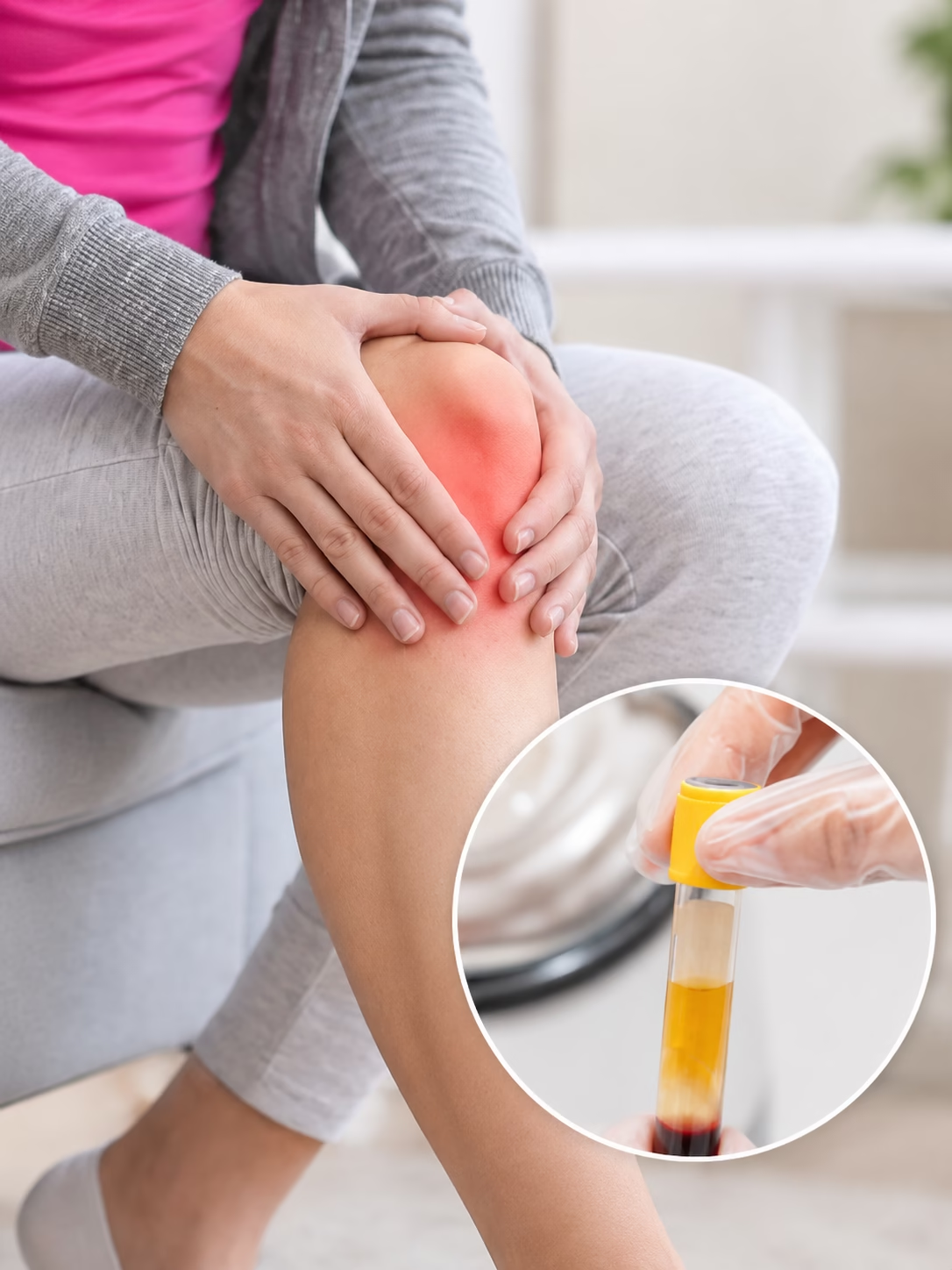
Give Your Knees the Support They Need. Book Your Session Today!
- Supports better knee movement
- Helps manage osteoarthritis-related discomfort
- Minimally invasive approach